21 January 2026
E-Commerce Beginners Guide: Start Selling Online in Kenya 2026
What is E-Commerce & Why Kenyans Should Care
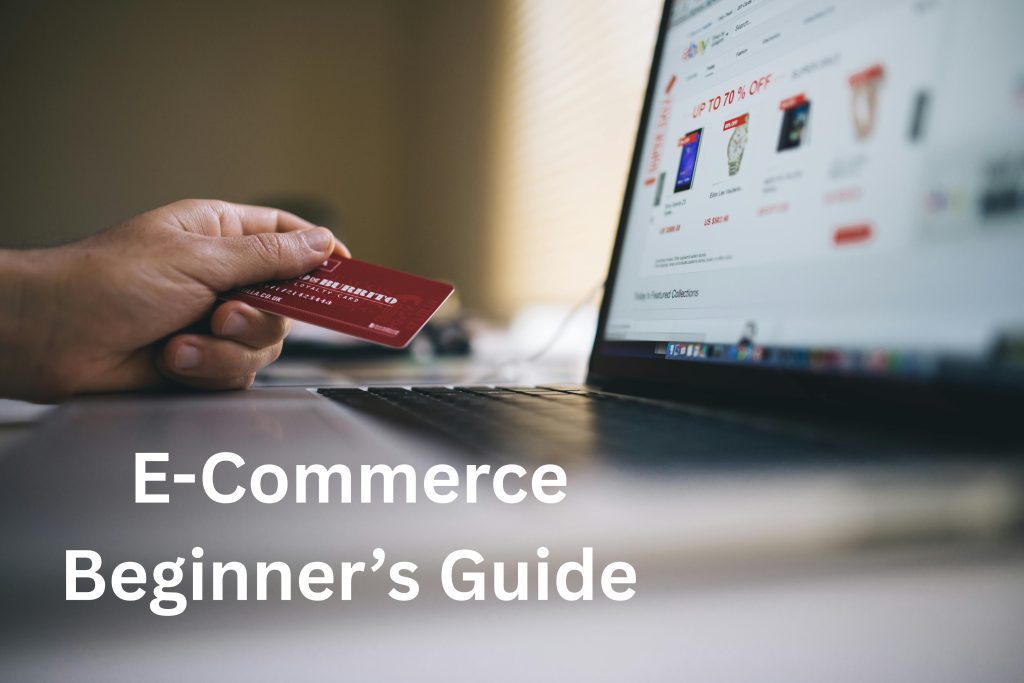
E-commerce means selling products online. From your phone or laptop, you can reach customers across Kenya and beyond, without a physical store.
Why now is the perfect time for Kenyans:
- Jumia, OLX, Jiji are booming in Kenya
- Mobile money (M-Pesa) makes transactions easy
- More Kenyans shopping online than ever
- Barriers to entry are extremely low
- You can start with ZERO capital (dropshipping)
E-Commerce Business Models for Kenya
1. Reselling (Buy Local, Sell Online)
How it works: Purchase products locally at wholesale prices, list them online at retail prices
Starting capital: KSh 5,000-50,000
Profit margin: 20-50%
Monthly income potential: KSh 30,000-200,000
Best products to resell:
- Phone accessories
- Fashion items
- Beauty products
- Electronics
- Home goods
- Sports equipment
Platforms to sell on:
- Jumia (jumia.co.ke)
- OLX (olx.co.ke)
- Jiji (jiji.co.ke)
- Marketplace (Facebook)
- WhatsApp/Telegram
Getting started:
- Research trending products on Jumia
- Find wholesale suppliers (wholesalers on OLX, Nairobi markets)
- Negotiate bulk prices
- List products on multiple platforms
- Manage inventory and shipping
2. Drop Shipping
How it works: Sell products without holding inventory. Supplier ships directly to customer.
Starting capital: KSh 0-10,000
Profit margin: 30-100%
Monthly income potential: KSh 50,000-500,000+
How it works:
- Customer orders from your store
- You pay supplier wholesale price
- Supplier ships to customer
- You keep the difference
Best platforms:
- Shopify (shopify.com)
- WooCommerce (woocommerce.com)
- Oberlo (dropshipping app)
- AliExpress (supplier from China)
Challenges for Kenya:
- Shipping takes 2-4 weeks from China
- Customs delays and duties
- Customer expectations for fast delivery
3. Print-on-Demand
How it works: Design custom products (t-shirts, mugs, hoodies). Supplier prints and ships on order.
Starting capital: KSh 0
Profit margin: 40-70%
Monthly income potential: KSh 20,000-150,000
Best for:
- Graphic designers
- Content creators
- People with engaged audiences
Platforms:
- Printful (printful.com)
- Merch by Amazon
- Redbubble (redbubble.com)
- Tee Spring
4. Create Your Own Products
How it works: Design and manufacture your own products locally
Starting capital: KSh 50,000-500,000
Profit margin: 60-80%
Monthly income potential: KSh 100,000-1,000,000+
Examples for Kenya:
- Handmade jewelry
- Leather products
- Home decor
- Clothing brand
- Beauty/skincare products
- Food products (cookies, snacks, sauces)
Advantage: High margins, brand loyalty, repeat customers
Step-by-Step: Starting Your E-Commerce Store
Step 1: Validate Your Idea
Before investing money, test if anyone wants what you’re selling.
Validation methods:
- Ask friends and family
- Post on Facebook groups (Kenyan entrepreneur groups)
- Create Instagram poll
- Run a small test on OLX
- Check Google search volume (Google Trends)
Step 2: Choose Your Platform
For beginners (easiest):
- OLX/Jiji — Already have traffic, free to list
- Facebook Marketplace — Easy, lots of Kenyans
- WhatsApp/Telegram — Build personal customer base
For serious sellers:
- Jumia — Largest marketplace, but competitive
- Your own Shopify store — Full control, but more expensive
- WooCommerce — Self-hosted, more technical
For dropshipping:
- Shopify — Best platform, KSh 2,000-5,000/month
- WooCommerce — Cheaper, more technical
Step 3: Source Your Products
Local suppliers:
- Wholesalers in Nairobi (Kimathi Street, Luthuli Avenue)
- Makadara Market
- Eastleigh
- Local manufacturers
- Other businesses willing to partner
International suppliers:
- AliExpress (very cheap, slow shipping)
- Alibaba (bulk orders)
- Amazon (fulfilled by Amazon, easier returns)
Step 4: Set Competitive Prices
Pricing formula:
- Cost price + Shipping + Platform fees + Profit margin
- Example: Buy for KSh 500 + Shipping KSh 200 + Fees KSh 100 = KSh 800 cost
- Sell for KSh 1,500-2,000 (50-100% margin)
Research competitor prices on each platform
Step 5: Create Compelling Product Listings
What converts (sells):
- High-quality product photos (3-5 angles minimum)
- Clear, descriptive titles with keywords
- Detailed product description
- Honest shipping time and costs
- Competitive pricing
- Customer reviews/testimonials
SEO for product listings:
- Use keywords customers search
- Example: Instead of “Phone case” → “iPhone 13 Pro durable protective case Kenya”
- Include color, size, material in title
Step 6: Handle Payments Safely
Payment methods Kenyans use:
- M-Pesa (most popular)
- Bank transfer
- Cash on delivery (COD)
- Stripe or Paypal (if own website)
Safety tips:
- Confirm M-Pesa payment before shipping
- Use M-Pesa confirmation codes
- Don’t ship before payment received
- Keep payment records
Step 7: Manage Shipping
Shipping options in Kenya:
- Personal delivery (free, fastest for Nairobi)
- M-Pesa parcel delivery
- DHL, UPS (expensive but reliable)
- Jiji Courier
- Ups Africa
Shipping costs:
- Nairobi: KSh 200-500
- Other counties: KSh 500-1,500
- Include shipping in price or charge separately
Step 8: Provide Excellent Customer Service
What keeps customers coming back:
- Fast responses (reply within 2 hours)
- Clear product descriptions (no surprises)
- Professional communication
- Easy returns/refunds
- Follow-up after purchase
- Going above expectations
E-Commerce Success Metrics to Track
Monthly metrics:
- Total revenue
- Number of orders
- Average order value
- Conversion rate (clicks to sales)
- Customer acquisition cost
- Profit after all expenses
- Return/refund rate
Use a spreadsheet or accounting app to track everything
Your 60-Day E-Commerce Launch Plan
Week 1-2: Validation & Planning
- Identify product/niche
- Research 10 competitors
- Survey 20-50 potential customers
- Decide: reselling, dropshipping, or own products
Week 3-4: Setup
- Register on 2-3 platforms (start with OLX and Facebook)
- Source first batch of products
- Take professional product photos
- Write product descriptions
Week 5-6: Launch & Market
- List first 5-10 products
- Share on personal social media
- Ask friends to share
- Join relevant Facebook groups and post
Week 7-8: Optimize & Scale
- Get first 5-10 customers
- Ask for reviews/testimonials
- Identify best-selling products
- Increase inventory for top sellers
- Adjust pricing based on performance
Week 9-12: Growth
- Expand product catalog
- Target specific customer segments
- Run small ads if budget allows
- Build email list
- Plan next batch of inventory
Common E-Commerce Mistakes (Avoid These!)
❌ Poor product photos — Use good lighting, multiple angles, show product in use
❌ Vague descriptions — Be specific: measurements, materials, colors, fits
❌ Shipping too slow — Promise fast delivery, over-deliver
❌ No social proof — Ask customers for reviews, display testimonials
❌ No customer service — Respond fast, be helpful, solve problems
❌ Unrealistic prices — Research competitor pricing first
❌ Wrong inventory — Start small, scale what sells
❌ Ignoring analytics — Track what works, repeat it
❌ Complex checkout — Make buying as easy as possible
❌ Giving up too soon — Real businesses take 3-6 months to gain traction
How Much Can You Earn?
Month 1: KSh 0-20,000 (if lucky with sales)
Month 2-3: KSh 10,000-50,000 (gaining customers)
Month 4-6: KSh 30,000-100,000 (momentum)
Month 7-12: KSh 50,000-200,000+ (scaling)
Year 2+: KSh 100,000-1,000,000+ (established business)
Real example:
- Sell 10 items/day at KSh 2,000 each = KSh 20,000/day
- 20 days/month = KSh 400,000/month gross
- After costs (50%), profit = KSh 200,000/month
This is realistic if you’re consistent.
Tools & Resources for Kenyan E-Commerce Sellers
Analytics: Google Analytics, Jumia seller dashboard
Design: Canva (product graphics)
Accounting: Wave (free), Excel
Shipping: Jiji Courier, M-Pesa parcels, DHL
Customer service: WhatsApp, email, platform messaging
Marketing: Facebook, Instagram, TikTok
Next Steps
- Choose your niche today
- Source 5-10 products this week
- Create listings next week
- Launch within 7 days
- Get your first customer within 14 days
Stop planning. Start selling. E-commerce success in Kenya starts with action, not perfection.
Reach out to Local Listing Dealz if you find value in this blog or leave a comment.