High Yield Savings Account Kenya: The 2026 Premium Banking Analysis
A high yield savings account Kenya offers is no longer a luxury for the wealthy; it is a mathematical necessity for anyone looking to protect their capital from the invisible tax of inflation. If you are leaving idle cash in a zero-interest current account in 2026, you are essentially losing money every single day. The cost of living rises, yet your capital remains stagnant.
To counter this, a modern high-yield savings plan bridges the gap between everyday liquidity and compound interest. It allows you to earn passive income on your emergency fund or short-term savings while still maintaining the ability to withdraw cash when you need it.
However, the Kenyan banking landscape is deeply fragmented. On one side, you have ultra-accessible mobile wallets offering daily interest. On the other side, traditional Tier-1 banks offer highly structured, premium corporate savings accounts with lucrative rates for high-net-worth individuals.
This comprehensive guide will break down the exact interest rates of premium corporate bank accounts versus mobile wallets. By the end of this analysis, you will be able to pinpoint the best bank for savings in Kenyatailored to your specific cash flow needs, deposit size, and liquidity preferences.
The Great Divide: Corporate Bank Savings vs. Mobile Wallets
When hunting for a high yield savings account Kenya residents generally face two primary choices: digital mobile wallets or traditional corporate bank savings accounts. Understanding the trade-offs between these two systems is the first step in optimizing your returns.
Mobile Wallets (The Convenience Play)
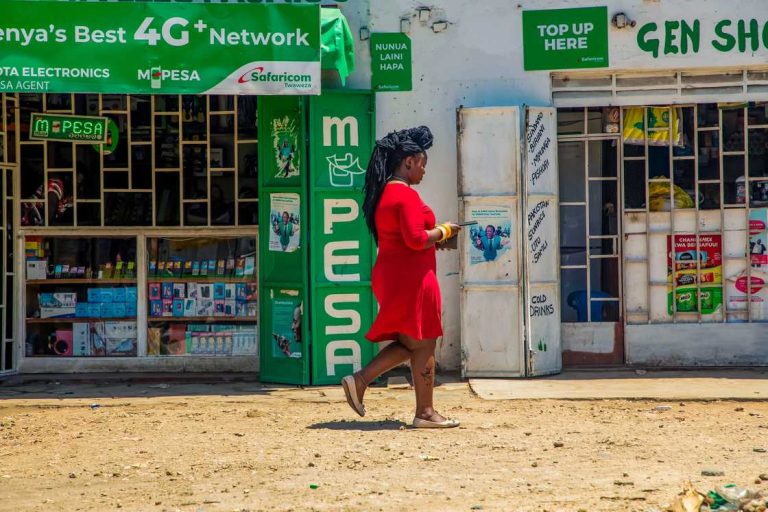
Over the last decade, products like KCB M-PESA and NCBA’s M-Shwari have revolutionized micro-savings. Currently, aggressive mobile wallets can yield up to 8.5% annually.
These digital-first accounts are able to cut the massive overhead costs associated with physical branches, passing those savings onto the user in the form of higher interest rates.
The Pros:
-
Instant Liquidity: You can move money from savings to M-Pesa in seconds.
-
Low Barrier to Entry: You can start saving with as little as KES 1.
-
Daily Accrual: Many mobile wallets calculate interest daily, maximizing the compounding effect over a year.
The Cons:
-
Transaction Limits: Mobile money systems are bound by daily transaction limits, making them unsuitable for corporate or high-net-worth cash parking.
-
Platform Fees: Moving large sums out of the mobile ecosystem often incurs high withdrawal fees.
Corporate Bank Savings (The Premium Play)
Traditional banking tier structures—such as the Stanbic PureSave Account or the Standard Chartered Safari Savings—operate on a different model. These accounts are designed for individuals with higher capital reserves who prioritize security and structured wealth management.
The Pros:
-
Massive Liquidity Limits: You can deposit or withdraw millions of shillings without hitting mobile caps.
-
KDIC Insurance: Traditional deposits are protected by the Kenya Deposit Insurance Corporation (KDIC) up to KES 500,000.
-
Ecosystem Integration: High-tier accounts often grant you access to dedicated relationship managers, preferential forex rates, and easy migration into corporate asset finance or wealth management funds.
The Cons:
-
Minimum Balances: They often require minimum operating balances (e.g., KES 5,000 to KES 50,000) just to earn interest.
-
Penalty Fees: Withdrawing money too many times a month can result in a loss of the accrued interest for that period.
The trade-off is clear: Mobile wallets offer unparalleled ease of access, while corporate bank accounts offer the infrastructure necessary for serious wealth preservation.
Top Contenders: The Best Bank for Savings in Kenya
To determine the best bank for savings in Kenya in 2026, we have to look beyond just the advertised headline rates. We must examine the tiered structures, penalty clauses, and compounding frequency. Here is our analysis of the top contenders currently dominating the market.
1. KCB Bank (KCB M-PESA & Goal Savings)
KCB remains extremely aggressive in the digital savings space. For the retail consumer, KCB M-PESA is arguably the most frictionless savings tool available, offering interest rates that regularly hover around 7% to 8.5% depending on the locked period.
For those looking for traditional banking, KCB’s Goal Savings account allows users to lock in funds for specific targets, penalizing early withdrawals but rewarding discipline with competitive rates.
2. Absa Bank Kenya (Digital Savings)
Absa has pivoted strongly toward digital wealth management. Their Digital Savings account uses a tiered interest structure, meaning the more you save, the higher your rate. For balances exceeding KES 1 Million, users can unlock rates up to 6.00% per annum. This makes Absa an excellent choice for mid-tier savers looking to park business profits or home-building funds in a secure, interest-bearing environment while still retaining liquid access.
3. Standard Chartered (Safari Savings)
Standard Chartered caters heavily to the affluent and expatriate market. Their Safari Savings account is a heavily tiered product that rewards high-volume deposits. While the base rate for smaller amounts might seem low, clients depositing substantial capital are rewarded with incremental rate hikes. The interest is typically paid out quarterly, making it a great vehicle for long-term cash preservation rather than daily transaction use.
4. Stanbic Bank (PureSave Account)
Stanbic’s PureSave is a brilliant hybrid account. It boasts zero monthly maintenance fees and allows free internal transfers. It encourages habitual saving by offering bonus interest for balances kept above a specific threshold (usually KES 5,000). For entrepreneurs who experience fluctuating cash flows, PureSave offers a safe harbor that costs nothing to maintain during lean months but pays out handsomely when cash reserves are high.
Deep Dive: NCBA Savings Account Interest
When discussing high yield banking, NCBA Group holds a unique position in the market. As the engine behind the massive M-Shwari platform, NCBA handles more retail savings accounts than almost any other institution in Africa. However, their corporate and direct retail offerings are where the serious capital sits.
If you are evaluating NCBA savings account interest structures, you have to split your analysis into two distinct paths: traditional savings and wealth progression.
The Traditional Savings Baseline
For a standard, over-the-counter NCBA savings account, the baseline interest rate usually sits around 3.50% to 5.00% per annum, depending on the account tier and the minimum balance maintained. While a 3.50% return is better than zero, it often struggles to keep pace with the real rate of inflation in Kenya.
The Premium Upgrade and Wealth Ladder
NCBA is fully aware of this yield gap. Their strategy is not to offer 10% on a basic checking account, but rather to use the basic savings account as a stepping stone. They heavily incentivize their clients to move idle cash from a standard checking or savings account directly into their Fixed Income Funds or Unit Trusts.
By providing a seamless internal wealth ladder, a client earning 3.5% in a basic savings account can, with a few taps on the NCBA app, move their money into an NCBA Unit Trust Fund, suddenly pushing their yield into the 9% – 11% range. This seamless integration makes NCBA one of the best corporate banking partners for individuals looking to scale from basic savings into genuine wealth management.
The KDIC Safety Net vs. The CMA Advantage
You might be asking: If the average corporate savings account yields around 4% to 6%, why do billionaires and massive corporations still keep billions of shillings in them?
The answer comes down to risk architecture and liquidity.
The KDIC Insurance Guarantee
When you place your money in a licensed commercial bank in Kenya, your deposits are protected by the Kenya Deposit Insurance Corporation (KDIC). Currently, the KDIC guarantees deposits up to KES 500,000 per depositor per bank in the event of a bank failure. For institutional money, the sheer size and regulatory oversight of Tier-1 banks provide an implicit guarantee of safety that outweighs the desire for a few extra percentage points in yield.
The Liquidity Reality Check
When a major corporation or a high-net-worth individual needs KES 50 Million to close a real estate deal or purchase inventory, they cannot wait a week for a treasury bond to be sold on the secondary market. A corporate high yield savings account provides absolute, 24-hour liquidity. You are trading maximum potential yield for maximum immediate access and ironclad security.
However, if you are a retail investor with KES 100,000, you likely do not need institutional-level liquidity. This leads us to the most critical pivot in modern personal finance.
The Better Alternative? Savings Accounts vs. Money Market Funds
Finding a high yield savings account Kenya offers is an excellent first step in financial literacy. But if your goal is pure yield, the mathematical truth is that traditional bank savings accounts are no longer the most efficient vehicle for everyday savers.
The Yield Gap
Let’s look at the numbers. As of 2026, a great premium bank savings account might offer you 6.00% to 7.00% per year, often requiring you to lock away withdrawals.
In contrast, Capital Markets Authority (CMA) regulated Money Market Funds (MMFs) in Kenya are currently averaging yields of 9.5% to over 11.00% per annum. Furthermore, MMFs compound interest daily and pay out monthly, drastically accelerating the growth of your capital compared to a bank that calculates interest monthly or quarterly.
While MMFs are technically investment products (not bank accounts) and do not carry KDIC insurance, the underlying assets they invest in—mostly government treasury bills and secure corporate debt—make them incredibly low-risk.
If you want daily compounding interest that consistently beats corporate bank rates, while still maintaining 48-hour liquidity, you should absolutely explore the MMF landscape. Skip the traditional banking hurdles and read our complete, mathematically-backed guide to the Best Money Market Fund in Kenya for 2026.
Conclusion & Action Plan
Choosing the best bank for savings in Kenya comes down to auditing your own capital limits and liquidity needs.
If you are saving small amounts weekly and need immediate access for emergencies, digital mobile wallets like KCB M-PESA or M-Shwari are your best tools. If you are a high-net-worth individual looking to park business capital securely with KDIC protection, tiered corporate accounts from Absa, Standard Chartered, or Stanbic offer the infrastructure you need. And if you are intrigued by the wealth-building structures of NCBA savings account interest, you can leverage their ecosystem to climb into high-tier unit trusts.
Your Next Step: Do not let another month close with your money sitting in a zero-interest current account. Audit your checking account today, determine your emergency cash needs, and move your idle capital into an interest-bearing vehicle immediately. Every day you wait is a day of compound interest lost.