How to Build an Emergency Fund in Kenya: A Simple Guide
Learn how to build an emergency fund in Kenya, even with a small or irregular income, and prepare for unexpected expenses.
Life has a way of throwing unexpected financial curveballs when you least expect them. Whether it is a sudden medical bill, an urgent repair, or a temporary gap in income, unbudgeted expenses can quickly disrupt your financial goals. Without a financial safety net, many Kenyans resort to high-interest mobile loans or selling off personal assets at a loss.
Learning how to build an emergency fund in Kenya is one of the most effective steps you can take to achieve financial peace of mind. While frameworks like the IYB (Improve Your Business) Planning manual focus on overall risk management rather than rigid personal formulas, setting aside cash specifically to absorb financial shocks reduces your overall vulnerability.
1. What is an emergency fund?
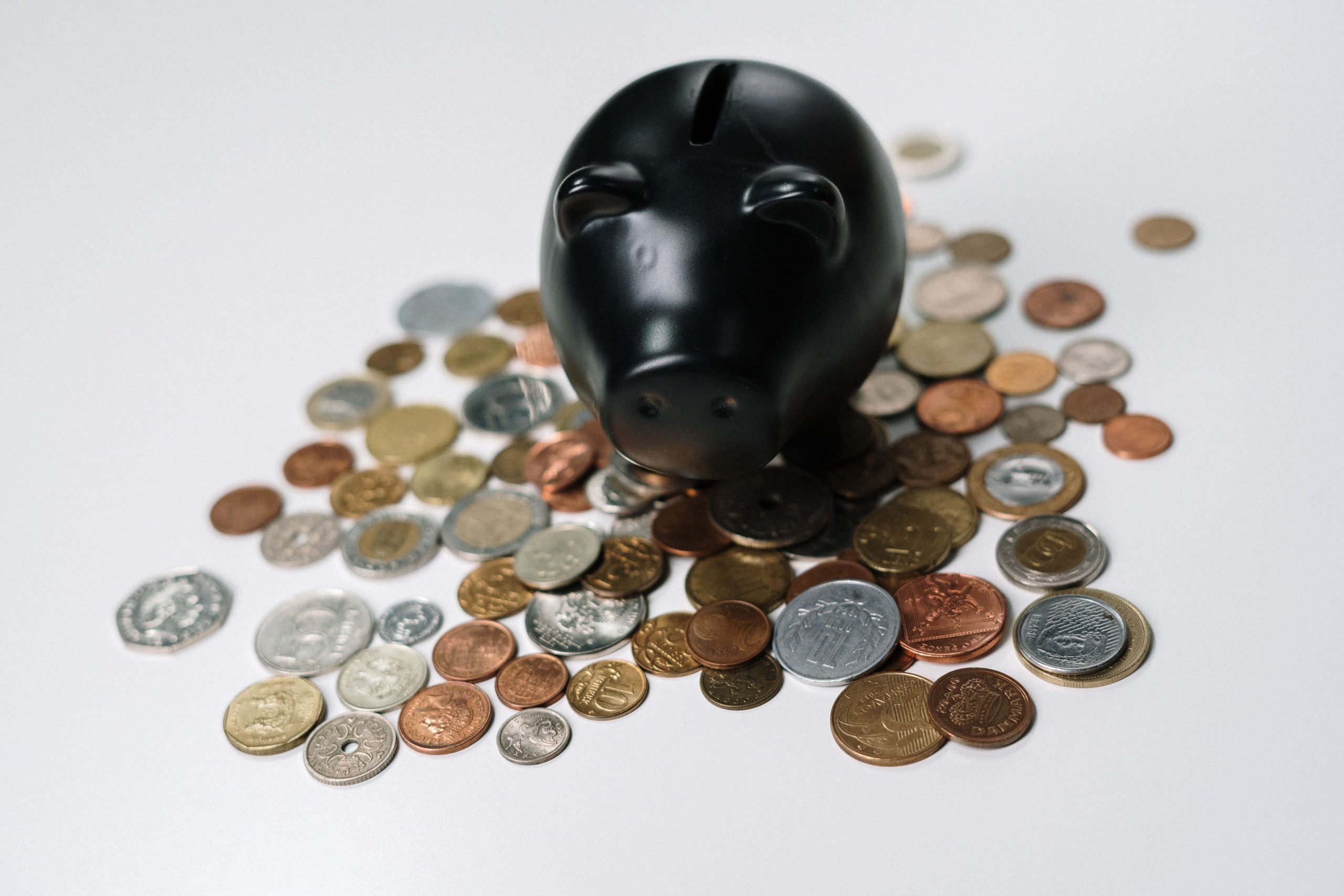
An emergency fund is a dedicated pool of liquid cash set aside strictly for unplanned financial crises. It is not money meant for planned future expenses like holidays, buying a plot, or paying routine school fees. Instead, it acts as a shock absorber between your daily life and life’s unpredictable disruptions.
2. Why you need one in Kenya
In Kenya’s dynamic economic landscape, financial shocks can happen fast. Relying on digital overdrafts like Fuliza or high-interest digital lending apps to solve short-term emergencies creates a cycle of debt that is difficult to escape.
An emergency fund:
- Protects you from taking expensive, emergency debt.
- Keeps your long-term wealth intact by preventing early liquidations of investments.
- Gives you room to negotiate or reset if you experience job loss or business downtime.
3. Decide what emergencies to prepare for
Not every unexpected expense is a true emergency. Clear boundaries help you avoid depleting your savings prematurely.
Valid emergencies in Kenya include:
- Medical costs: Out-of-pocket hospital bills or prescription drugs not fully covered by insurance/SHA.
- Job loss or income loss: Covering basic bills while searching for a new job or waiting for new contracts.
- Urgent travel: Unplanned trips upcountry for family or domestic emergencies.
- Work tool repairs: Fixing a phone or laptop that you directly rely on to make a living.
- Temporary business disruption: Covering key personal expenses when business cash flow stalls.
4. Start with a small savings target
Trying to save three to six months’ worth of living expenses immediately can feel intimidating. Instead, break your target down into achievable milestones. Start with a starter emergency fund, then build up over time.
Use this simple planning table to set your timeline:
| Goal | Amount needed | Monthly saving | Target date |
| Starter Safety Net | KSh 15,000 | KSh 2,500 | 6 Months |
| Intermediate Cushion | KSh 45,000 | KSh 3,750 | 12 Months |
| Full 3-Month Fund | KSh 120,000 | KSh 10,000 | 12 Months |
5. How to save with irregular income
If you run a side hustle, freelance, or earn commission, your income fluctuates month to month. Building an emergency fund on a fluctuating income requires flexibility:
- The Surplus Rule: During high-earning months, allocate a larger percentage of your profits straight into your emergency fund.
- Micro-Deposits: Save small, manageable amounts weekly or daily rather than waiting for a large lumpsum at month-end. (Read more: How to save KSh 1,000 a month in Kenya)
- Treat it like a fixed bill: Put emergency savings into your cash-flow plan alongside rent and food. (Read more: How to budget with an irregular income in Kenya)
6. Keep emergency money separate from daily spending
If your emergency money stays in your primary M-Pesa wallet or main checking account, it will get spent on everyday wants. Friction is essential.
A critical rule for business owners: Never mix personal emergency savings with business working cash. Mixing these funds makes it impossible to know if your business is truly profitable or simply consuming your personal safety net. For business owners, proper cash-flow planning helps identify potential business cash shortages early, allowing you to address business needs separately without draining your personal emergency cushion.
7. Where should you keep the money?
Your emergency fund must be safe and easily accessible (liquid). It should not be focused on high-risk growth.
Good options in Kenya include:
- Money Market Funds (MMFs): Offers interest above inflation while allowing access to your money within 1 to 3 working days.
- Separate Lock Savings Accounts: Dedicated digital bank sub-accounts or M-Pesa lock options that keep the cash out of sight until needed.
Avoid keeping your emergency fund in physical cash at home (where it can be spent or stolen) or locked in illiquid assets like land or long-term shares.
8. When should you use your emergency fund?
Before withdrawing from your fund, run your expense through the 3-Question Test:
- Is it unexpected?
- Is it necessary?
- Is it urgent?
If the answer to all three is “Yes,” use the money without guilt—that is precisely why you built the fund. If the answer to any question is “No,” cover the cost from your flexible monthly spending instead.
9. How to rebuild it after using it
Using your emergency fund is a success, not a failure; it means the system worked and protected you from debt. Once the emergency passes:
- Temporarily pause other non-essential financial goals.
- Direct all available surplus back into the fund.
- Resume normal investing and long-term saving once your target balance is restored.
10. Common mistakes to avoid
- Investing emergency funds in volatile assets: Placing emergency money in individual stocks or high-risk ventures can lead to capital loss right when you need the cash most. (Read more: How to invest in shares and dividends)
- Using emergency savings for predictable expenses: School fees, annual motor insurance, and Christmas shopping are predictable expenses—plan for them separately in your budget rather than dipping into your emergency stash.
- Setting unrealistic targets: Aiming for an impossibly high figure from day one leads to frustration. Focus on building consistency first.
11. Frequently asked questions
Should I build an emergency fund if I have debt?
Yes. Save a small “starter” emergency fund (e.g., KSh 10,000 to KSh 20,000) first. This prevents you from taking on new debt whenever an unexpected expense arises while you work on paying off existing loans.
How many months of expenses should my full emergency fund cover?
Aim for 3 to 6 months of essential living expenses (rent, utilities, food, transport). If you have an irregular income or depend on a single income source, leaning closer to 6 months provides better protection.
Can I keep my emergency fund in physical cash?
It is not advisable. Physical cash loses value to inflation and is too easy to spend on minor everyday desires. A high-yield MMF or separate bank account keeps it secure while earning modest interest.
Start with an amount you can maintain, save consistently and review your target as your responsibilities change.